Why AI Medical Scribe Technology Is Reshaping Clinical Workflows
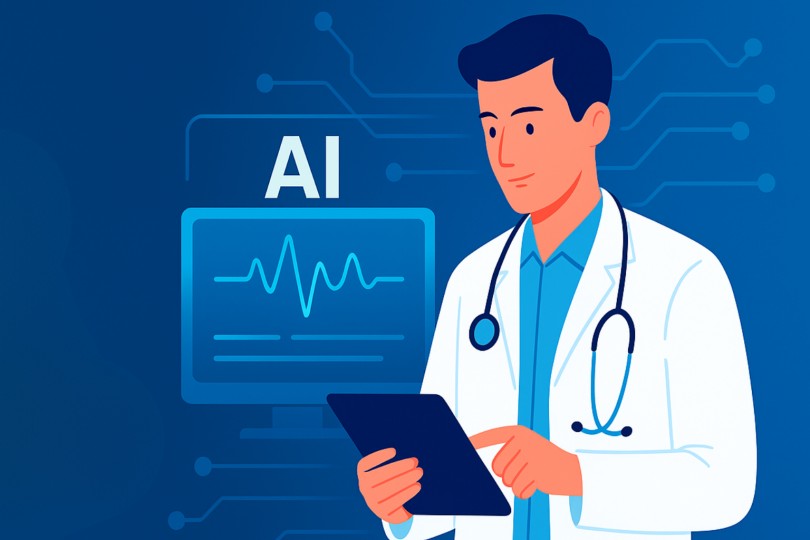
Healthcare systems across the world are under pressure to deliver faster, more accurate, and more patient-centered care. In this environment, the ai medical scribe has emerged as one of the most impactful innovations. By combining intelligent automation with real-time understanding of clinical conversations, tools powered by medical charting ai and ai medical transcription are redefining how medical professionals manage documentation.
The Hidden Cost of Manual Documentation
Every patient visit generates a large amount of data that must be recorded accurately. Traditionally, this responsibility falls on physicians and clinical staff, who spend hours typing notes, updating electronic health records, and ensuring compliance.
This approach creates several challenges:
• Reduced time for patient interaction
• Increased risk of documentation errors
• Delayed record updates
• Administrative fatigue
Over time, these issues can negatively affect both healthcare outcomes and staff well-being. That’s why the transition to an ai medical scribe is gaining momentum.
From Passive Tools to Intelligent Assistants
Unlike traditional dictation software, an ai medical scribe acts as an intelligent assistant. It doesn’t just convert speech into text—it understands context, identifies medical terminology, and structures information in a clinically meaningful way.
Using advanced algorithms, these systems can:
• Recognize symptoms, diagnoses, and treatments in conversation
• Automatically organize notes into standard medical formats
• Learn from physician preferences and adapt over time
• Deliver structured outputs ready for electronic records
This shift from passive transcription to active assistance is what makes medical charting ai so powerful.
Real-Time Documentation That Keeps Up With Care
One of the biggest advantages of ai medical transcription is its ability to operate in real time. Instead of documenting after the patient leaves, physicians can rely on AI to generate notes during the consultation itself.
This creates a more dynamic workflow:
• Immediate availability of patient records
• Faster decision-making during appointments
• Reduced backlog of unfinished documentation
• Increased overall efficiency
Real-time documentation also minimizes the risk of forgetting important details, ensuring that patient records remain accurate and complete.
Supporting Different Medical Specialties
The versatility of medical charting ai makes it suitable for a wide range of specialties. Whether in primary care, emergency medicine, or specialized clinics, the system can adapt to different workflows and terminology.
For example:
• In general practice, it captures routine consultations and follow-ups
• In surgery, it assists with detailed procedural notes
• In mental health, it records nuanced conversations and observations
• In telemedicine, it ensures accurate remote documentation
This adaptability makes the ai medical scribe a valuable tool across the entire healthcare spectrum.
Improving Accuracy and Compliance
Accurate documentation is critical not only for patient care but also for legal and regulatory compliance. Errors or omissions in medical records can have serious consequences.
By leveraging ai medical transcription, healthcare providers benefit from:
• Consistent and standardized documentation
• Reduced risk of missing critical information
• Enhanced audit readiness
• Better alignment with coding and billing requirements
AI systems can also flag inconsistencies or missing data, helping clinicians maintain high-quality records without additional effort.
A Better Experience for Healthcare Teams
Introducing an ai medical scribe doesn’t just improve efficiency—it transforms the daily experience of healthcare teams. Physicians can focus on clinical decision-making, while nurses and administrative staff spend less time on repetitive tasks.
Key improvements include:
• More time for patient care
• Less after-hours documentation
• Reduced cognitive load
• Greater job satisfaction
In high-pressure environments, these benefits can make a significant difference in staff retention and performance.
Enhancing the Patient-Doctor Relationship
When documentation becomes less intrusive, the quality of patient interactions improves. Doctors are no longer tied to keyboards or screens and can fully engage in conversations.
This leads to:
• More meaningful consultations
• Better understanding of patient concerns
• Increased trust and transparency
• Improved health outcomes
The ai medical scribe quietly works in the background, allowing human connection to take center stage.
The Future of Medical Charting AI
As artificial intelligence continues to advance, the capabilities of medical charting ai will expand even further. Future developments are likely to include:
• Automated clinical insights during consultations
• Predictive analytics based on patient history
• Seamless integration with wearable health data
• Voice-driven interaction with medical systems
These innovations will push healthcare toward a more proactive and data-driven model.
Why Healthcare Providers Are Making the Switch
Adopting an ai medical scribe is no longer just about innovation—it’s about staying competitive in a rapidly changing industry. Healthcare organizations that embrace AI-driven documentation gain a clear advantage.
They can:
• Improve operational efficiency
• Deliver higher-quality patient care
• Reduce administrative costs
• Support their staff more effectively
As demand for healthcare services continues to grow, the need for smarter, faster, and more reliable documentation solutions becomes undeniable.
The integration of ai medical transcription and intelligent charting tools marks a turning point in healthcare. By eliminating unnecessary administrative work and enhancing accuracy, the ai medical scribe is helping shape a future where technology supports—not replaces—the human side of medicine.